




I had the opportunity to guide a week-long birding trip during the pandemic in August 2021 in Flores. My clients were Andy Walker, a senior bird guide of Birding Ecotours, along with three of his friends: Jeremy, Anni, and Andy’s girlfriend, Rina. It was an enjoyable tour with excellent results.
After the Flores Trip, Andy asked me to plan a birding trip to West Timor, Rote, and Sumba. The trip finally started on October 17, 2021, in Kupang. Personally, I had my own target in West Timor—the Timor Green Pigeon! This bird is the rarest species in West Timor. People who really want to see it should go to East Timor, where many sightings have been reported.
We began our first day of birding in Bipolo, a part of the Kupang Bay natural reserve. It was a sunny afternoon after heavy rain. We managed to see many shore and waterbirds, including the Australian Pratincole (Stiltia isabella), Pied Heron (Egretta picata), over 100 Cattle Egrets (Bubulcus ibis), Eastern Yellow Wagtail (Motacilla tschutschensis), and Oriental Plover (Charadrius veredus). The afternoon birding ended successfully with an encounter with the Timor Boobook (Ninox fusca).
On the second day, we crossed to the southern Indonesian island of Rote. We departed from Tenau Harbor in Kupang around 9:00 am and reached Ba’a, Rote Island, in less than two hours by fast ferry. This was a good choice considering the uncertain flight schedule. The ferry also had fully air-conditioned cabins. It was a sunny day in Rote, and the temperature reached 35 degrees Celsius. Rote is known as one of the hottest and driest islands in Indonesia, along with Timor and Sabu.
We had a quick lunch in Ba’a and then drove 45 km to East Rote, which took us two hours. The road was quite good at the beginning, but the last 20 km was bumpy and dusty. We made several stops for birding along the roadside, but we soon realized it wasn’t a good choice due to constant disturbances from buses and trucks.
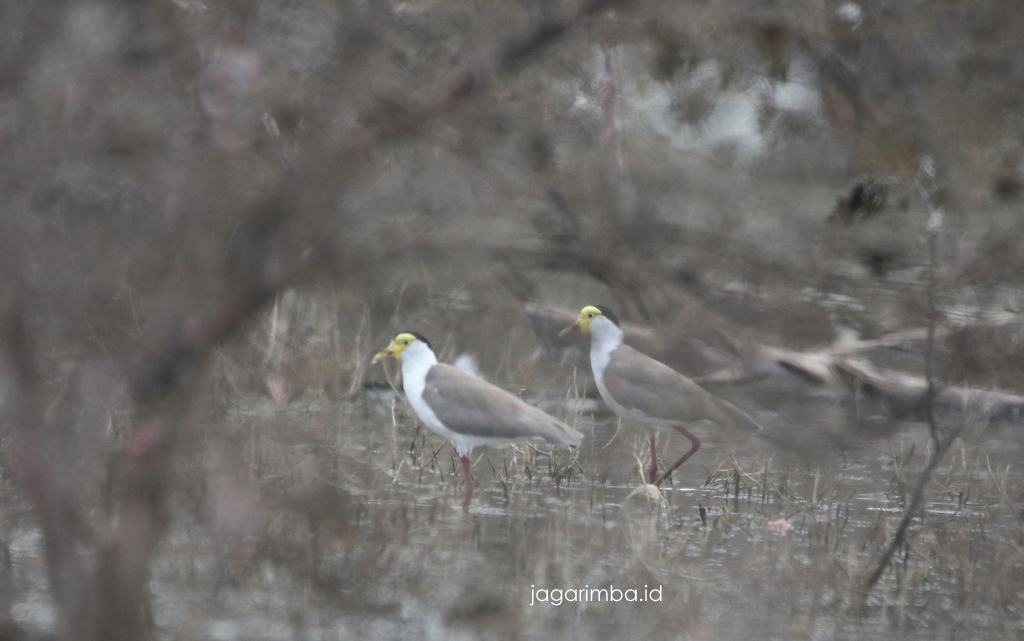
Our first birding location was Oendui Lake, located on the roadside next to Sotimori village. Here, we managed to record many species in a large group with over 100 individuals, including the Little (Tricolored) Grebe, which was one of Andy’s targets, as well as the Little-pied Cormorant, Little Black Cormorant, Wandering Whistling Duck, and Pacific Black Duck. Other regular visitors to this location were the Australian Pelican, Masked Lapwing, Red-cap Plover, and a large group of Gull-billed Terns.
As we walked along the road north of the lake, we were able to see and photograph one of the island’s endemics, the Rote Leaf-Warbler. Other species found here included the Slaty Cuckoo-Dove, Broad-billed Flycatcher, Tricolored Parrotfinch, Orange-banded Thrush, and Pied Bushchat.
It was getting dark when we left Oendui. We drove 2 km to the west to reach the Rote Boobook location. We didn’t have to wait long before three Rote Boobooks suddenly called from the forest edge. In less than an hour, we saw five individuals. We also heard the Large-tailed (Timor) Nightjar, which was within reach, but we were too tired to walk into the forest. So, we decided to drive back to Ba’a and stay overnight there.
On the second day in Rote, we left the hotel in Ba’a around 4:00 am. We took the same road as before, and upon arriving in Bolatena, we could already hear our target—the new country and island endemic, the Rote Myzomela. We quickly got out of the car and started photographing this beautiful myzomela. We spent at least three hours in the area before driving back to Ba’a. We managed to see many important targets such as the Timor Blue Flycatcher, Rose-crowned Fruit-Dove, Green (Timor) Figbird, Roti Fantail, and Orange-sided Thrush.
After lunch, we returned to Kupang on the same fast ferry as before. Upon arriving in Kupang, we drove directly to So’e without making any stops as planned. We reached So’e in the late afternoon, after a very long drive. We were exhausted.
On the fourth day of the trip, we left the hotel in Soe at 4:30 am and drove for about 1.5 hours to Fatumnasi, the nearest village to access Mutis Reserve. Here, we met our local guide, Samuel, and explored the area for about four hours. Our main target here was the undescribed species, the Mount Mutis Parrotfinch.
We managed to see many target species, including the Spot-breasted Heleia, Olive-headed Lorikeet, Timor Oriole, Timor Leaf Warbler, Timor Blue Flycatcher, Blood-breasted (Timor) Flowerpecker, Fawn-breasted Whistler, Tricolored Parrotfinch, Chestnut-backed Thrush, and Yellow-eared Honeyeater. By midday, we had failed to see the Mount Mutis Parrotfinch.
Andy and I tried our luck in different directions but had no success. Finally, we decided to end the search and prepare to leave the forest. But before actually getting into the car, we agreed to give it one last try. We walked down a small path into the Eucalyptus forest towards the spring. After walking for about 100 meters, Andy suddenly shouted that he saw the Parrotfinch on a branch.
A pair of Mount Mutis Parrotfinches jumped down to the ground and then perched on the small branches nearby. We tried to take pictures, but they moved very fast. In less than five minutes, the Parrotfinches disappeared. It was a brief but emotional moment. We were overjoyed.

By the late afternoon, we moved to another side of the forest and were very lucky. We made a record after encountering the Grey-streaked Flycatcher. It was the first time the species had been recorded on the island of Timor. At the same location, we managed to see the Island Thrush, Snowy-browed Flycatcher, Blood-breasted (Timor) Flowerpecker, and groups of Olive-headed Lorikeets.
On day 5, we went birding in the Olenasi forest in the morning. Here, we managed to see the Timor Stubtail, Slaty Cuckoo-Dove, Rose-crowned Fruit-Dove, Pacific Baza, Green (Timor) Figbird, Buff-banded (Timor) Thicketbird, and my favorite Timor endemic, the Black-banded Flycatcher. In the afternoon, we drove to Camplong and stayed at the Nun’s guesthouse. Andy couldn’t sleep at all. Very early in the morning, we left the guesthouse and drove to the Bipolo forest, where we spent half a day.
On October 23, 2021, the eighth day of the trip, we left Kupang and flew to Waingapu in East Sumba. The original plan was to go straight to the Yumbu grassland for the Sumba Buttonquail directly from the airport. However, we needed to prepare for the trip to Billa forest the next day, so we decided to change our plans.
Early in the morning on the second day in Sumba, we left Waingapu. As usual, we drove in a 4WD car because the road was still in bad condition. By midday, we arrived at Billa. We were accompanied by Jeremias, a local guide who had been trained by the national park to become a local birding guide.
Birding at Billa is always exciting. In its well-protected forest, we can see most of the island’s endemic species, except for the Sumba Buttonquail. In the two days at Billa, we managed to see and photograph the Sumba Hornbill, Citron-crested Cockatoo, Sumba Green Pigeon, Marigold Lorikeet, Red-naped Fruit-Dove, and two endemic nocturnal species, the Little Sumba Hawk-Owl and Sumba Boobook, as well as the Sumba Brown Flycatcher, Sumba Flycatcher, Sumba Jungle Flycatcher, and Eclectus Parrot. After a simple lunch, we left Billa and drove back to Waingapu.
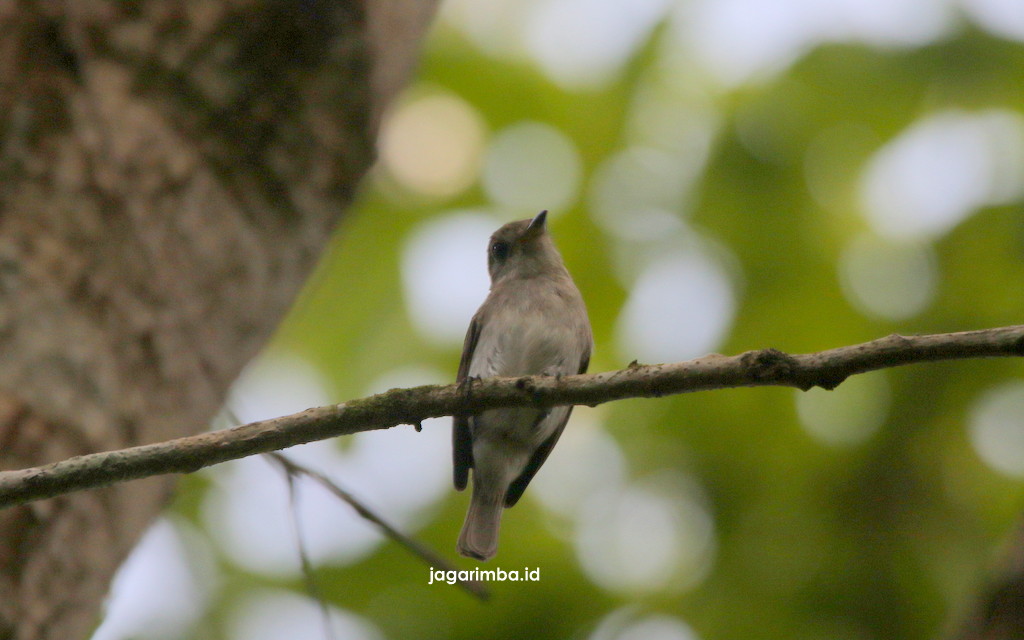
On day 4 in Sumba, we had two endemic targets that we had to find, the Sumba Buttonquail and Sumba Myzomela. We had an early breakfast and left Villa Morinda at 6:00 am, driving to the Yumbu grassland. When we arrived at Yumbu and walked just 200 meters, a Sumba Buttonquail flew and quickly disappeared. Andy was satisfied with just seeing the Buttonquail fly away. We spent less than 20 minutes in the area before driving further east for 10 km to reach the Laipori wetland.
At the wetland, we saw many species such as the Oriental Plover, Australian Pratincole, Red-necked Stint, and Wood Sandpiper. Here, we also made another record. We encountered the Pectoral Sandpiper, which was the first record for the island and the sixth encounter for all of Indonesia. It was a wonderful morning.
Now we had one last target, the Sumba Myzomela, and the goal of getting good photos of the Elegant Pitta ssp. maria. As a big fan of Pittas, Andy really wanted a good photo of it. Before leaving Waingapu, we stopped at Umbu Rara Meha Hospital because Andy needed a PCR test as a requirement for his trip back to Denpasar the next morning.
In Langgaliru forest, we stopped for the Elegant Pitta. Fortunately, we managed to call a pair of Elegant Pittas just a few meters from the road. In less than 5 minutes, Andy achieved his target and was very happy with his beautiful photo of the Pitta. Mission completed!
We continued to Tanadaru and arrived at Lokuhuma. The rain started to fall, and it became a little heavy. We waited in the car for a while until the rain stopped. Then we started searching for our last target. Finally, we encountered the Sumba Myzomela at the usual location. We only had a few minutes to walk around before the heavy rain started again and continued until evening. We drove to Waikabubak and went directly to the hotel, where we could enjoy coffee and review the bunch of photos on our cameras!
