


West Papua and Snow Mountain Birding 2026 – Trip Report

After three years of careful planning, we finally made the dream of visiting one of Indonesia’s ultimate birding destinations, Snow Mountain, a reality in 2026. My two clients, Guo-Fang and Yu-Hsia from Taiwan, are old friends who had previously joined me on several birding trips in Indonesia. They had visited Papua about fifteen years earlier, but at that time they were unable to reach Snow Mountain. Birding in the region was also much more challenging back then than it is today.
We began our trip on July 14, 2026, in Sorong, at the western tip of Papua. We arrived around midday and immediately headed to Malagufuk village, where we spent the night targeting lowland species. The following afternoon, we traveled to Klalik village in search of the Greater Melampitta. Unfortunately, just as we were preparing to leave for the Melampitta site, strong winds hit the village. Instead, we spent the afternoon birding in the forest around Klalik.
Before leaving Klalik, we also visited an area farther from the village. One of our main targets there was the Pheasant Pigeon. After trying a few different locations, we were finally rewarded. This beautiful bird approached us and casually spent a short time moving around just a few meters away. It was a fantastic encounter. From Klalik, we returned to Sorong and spent the night at a comfortable hotel.
Arfak Mountains
On the morning of July 17, we flew to Manokwari, a short flight of less than an hour. From Manokwari, we continued by road into the Arfak Mountains, where we would spend four nights in the village of Kwau. The drive from Manokwari to Kwau took about two hours. After arriving, we stopped for lunch and then began our first birding session in the Arfak Mountains. Our first major target was the Western Parotia. Despite intermittent drizzle, the bird put on a beautiful display for us, making for a great start to our time in Arfak.
The next morning, we left for the Magnificent Bird of Paradise site while it was still dark. Around five individuals were active at the site that morning, including a very lively young male. In the afternoon, we visited the Vogelkop Bowerbird site. A male was active around his beautiful bower, although he did not stay there for very long. Once again, light rain began to fall, just as it had the previous day.
The following day, we hiked to a higher elevation, passing through the village of Syoubri. The area is used as a campsite for the Black Sicklebill. Since the Black Sicklebill was not one of our target species, however, we decided not to camp there. We spent the morning birding and continued our hike to German Camp after lunch. That night, my clients stayed in a simple wooden structure built by the local community, while I pitched my tent outside.
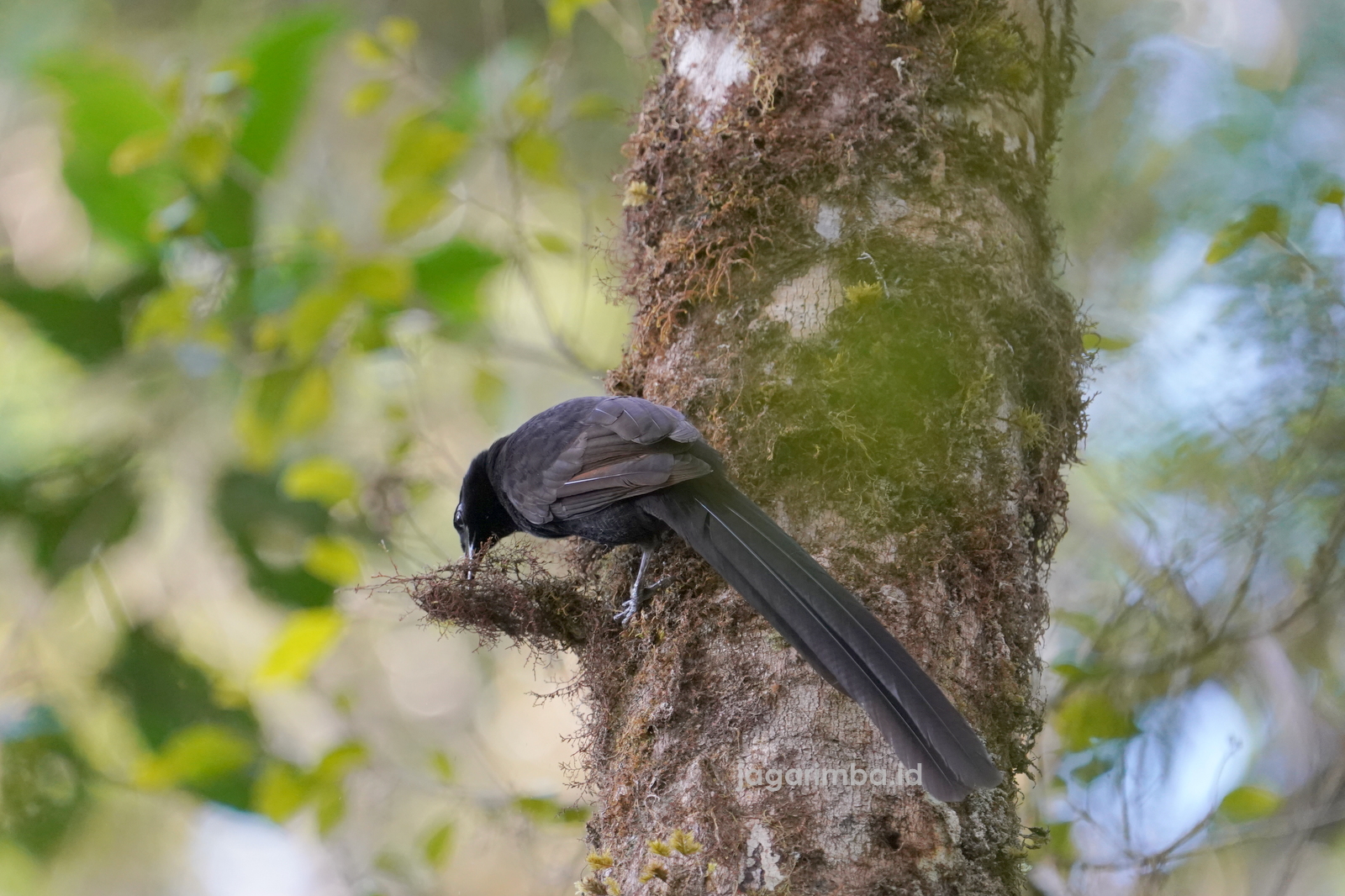
Our main target at German Camp was, of course, the Arfak Astrapia. We started hiking to the Astrapia site while it was still dark. That morning, we encountered three Astrapias. Unfortunately, all three were females. We also saw one male Black Sicklebill, along with several females. After the morning’s birding, we returned to the village around midday.
On our final morning in Arfak, we had one more important target: the Masked Bowerbird. The site was quite a long distance from the village, but our effort paid off. Although the encounter was brief, we managed to see this beautiful bird nervously approaching its display area. We returned to Manokwari in the afternoon.
Nimbokrang
From Manokwari, we flew to Sentani in the northeastern part of West Papua. From Sentani, we drove for about two hours to Nimbokrang village, where we stayed for two nights. Guo-Fang and Yu-Hsia had several important target species that they had missed during their previous visits to Papua. Fortunately, we were able to find some of these species during our time in Nimbokrang.
On our third day, we returned to Sentani and spent the night at a hotel near the airport. The following morning, we flew to Wamena. The flight took less than an hour. After checking into our hotel, we headed straight to birding sites around town. The two locations we visited that afternoon produced several of our key target species.
Lake Habema and Snow Mountain
We spent two consecutive days birding at Lake Habema, which lies in the highlands of the Jayawijaya Mountains at an elevation of around 3,300 meters above sea level. Lake Habema is one of the premier birding locations in the Snow Mountains. Most of the highland target species of Papua can be found here, with the exception of the Snow Mountain Robin, which inhabits the highest peaks of the Jayawijaya range. For many birders visiting Indonesia, Habema is a dream destination.
Unfortunately, the forest around the area is undergoing rapid deforestation. Even so, most of the key target species are relatively easy to find, although some naturally require more time and effort. As the main destination of our trip, every bird we encountered at Habema felt special.
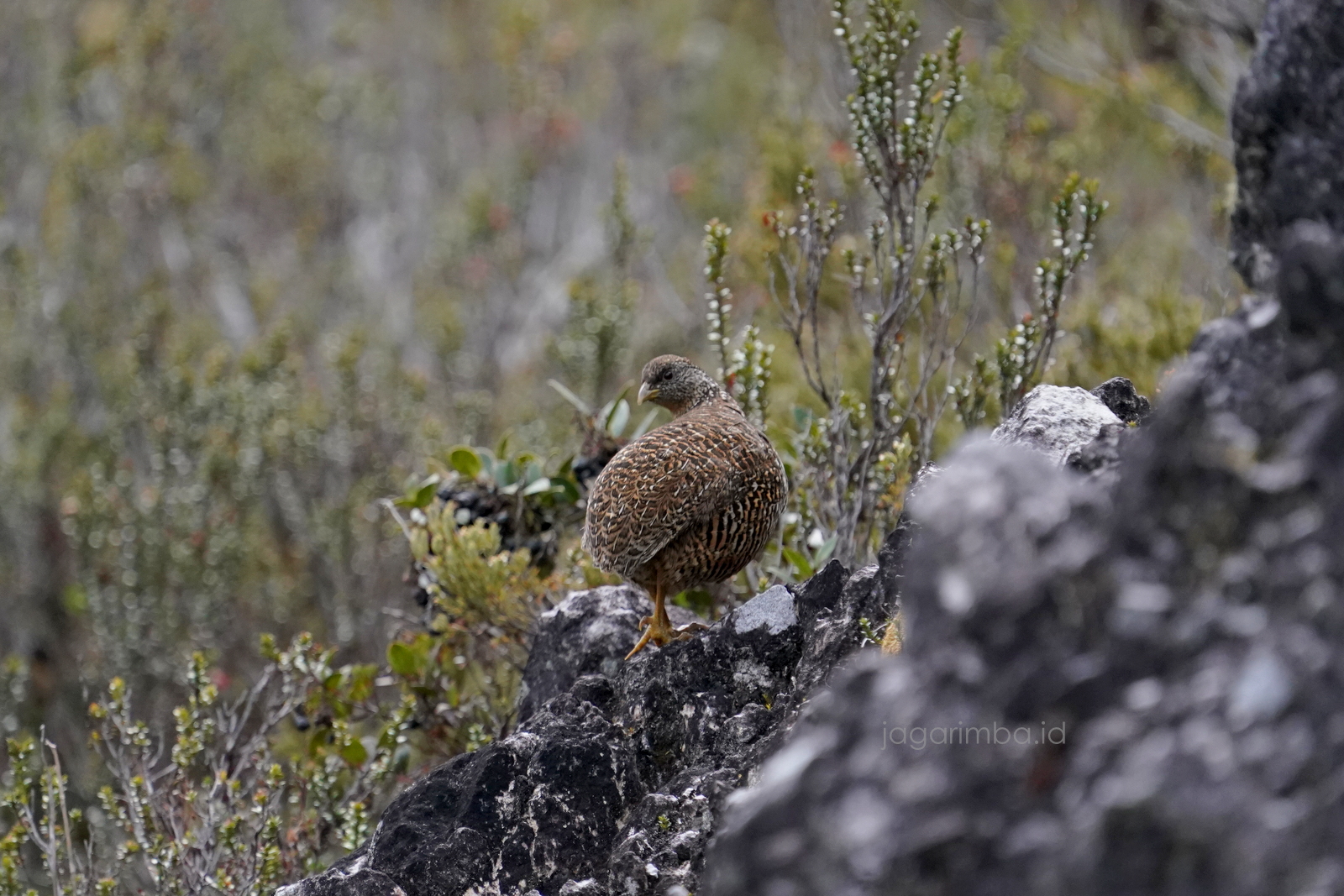
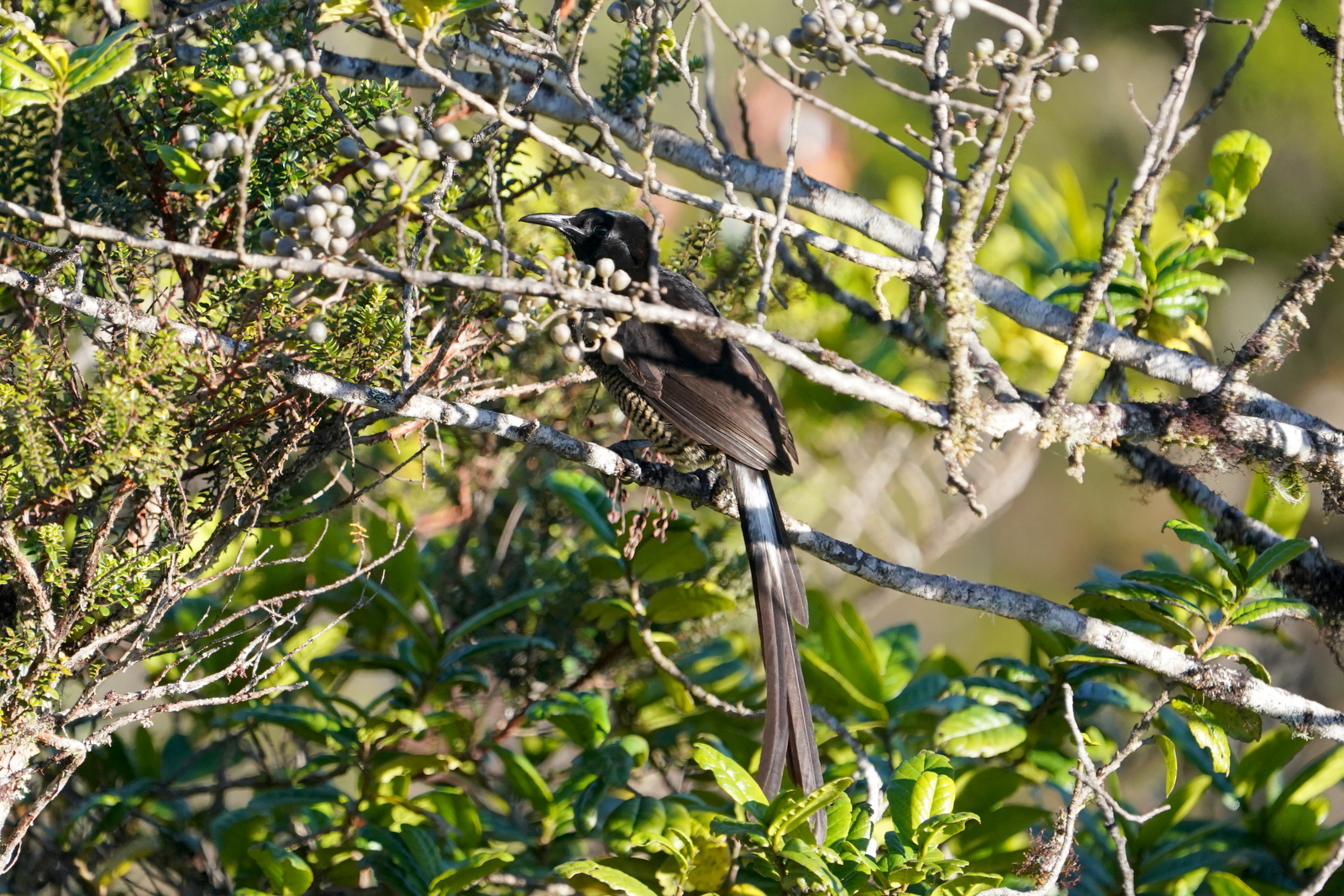
My clients’ top target was the MacGregor’s Honeyeater. We were lucky enough to find it on our very first morning. Two individuals were moving and playing in a tree right in front of us for more than 20 minutes. They gave us excellent views and plenty of opportunities to take photographs. Our other key targets included the Snow Mountain Quail and Snow Mountain Munia. We managed to find both species during the final moments of our second day at Habema.
Overall, the trip was a resounding success. We managed to find almost all of our key target species, with just one major exception: the Shovel-billed Kookaburra, which had been one of our main targets at Nimbokrang. After three years of planning, reaching Snow Mountain and exploring these incredible birding areas of Papua with old friends made the journey especially rewarding.

Comments are closed.